Thermal Paste Performance in Smartphone Cooling Systems
Thermal Paste in Smartphone Cooling Systems: An Engineering Perspective
As modern smartphones continue to evolve into high-performance computing platforms, thermal management has become a defining factor in overall device performance. With increasing workloads driven by 5G connectivity, mobile gaming, and on-device AI processing, system-on-chip (SoC) power density has risen significantly. This trend places unprecedented demands on thermal design, where thermal paste plays a critical—yet often overlooked—role.
The Engineering Role of Thermal Paste
From a materials engineering standpoint, thermal paste is not intended to “cool” a device directly. Instead, its primary function is to enhance heat transfer efficiency between contacting surfaces. Even precision-machined surfaces, such as a chip package and a vapor chamber, contain microscopic irregularities that trap air—an extremely poor thermal conductor.
By filling these microgaps, thermal paste establishes a continuous thermal conduction path, significantly reducing interfacial thermal resistance. In a typical smartphone architecture, thermal paste is positioned between the SoC and critical heat-spreading components such as vapor chambers, graphite sheets, or metal frames. This interface represents the first and most crucial step in the thermal transfer chain.
Thermal Paste in Smartphone Cooling Architectures
Modern smartphone cooling systems rely on multi-layer heat dissipation structures:
- SoC → thermal paste → vapor chamber
- Vapor chamber → graphite layers
- Graphite layers → device enclosure
Within this structure, thermal paste directly impacts how efficiently heat is transferred away from the chip. Any inefficiency at this interface can lead to elevated junction temperatures, triggering thermal throttling and reducing sustained performance.
Key Performance Parameters for Thermal Paste
Selecting the right thermal paste for smartphone applications requires a balanced evaluation of multiple material properties:
1. Thermal Conductivity
Higher thermal conductivity generally improves heat transfer rates. However, optimal performance depends on the interface thickness and system design rather than conductivity alone.
2. Rheological Stability
In compact devices like smartphones, repeated thermal cycling can cause “pump-out,” where thermal paste migrates away from the interface. Materials with stable rheological properties are essential to maintaining long-term performance.
3. Long-Term Reliability
High-quality thermal paste must resist drying, cracking, and material degradation under sustained thermal stress. Poor formulations may lose effectiveness within months of operation.
4. Chemical Compatibility
The thermal paste must be chemically stable and non-corrosive to adjacent materials such as copper or aluminum heat spreaders.
Industry Trends in Thermal Paste Development
As mobile processors become more powerful, the demands placed on thermal paste continue to grow. The industry is gradually transitioning toward advanced formulations that incorporate high-performance fillers and optimized base materials.
While alternatives such as phase change materials (PCM) and gel-based TIMs are gaining traction, thermal paste remains a preferred solution due to its balance of cost, manufacturability, and adaptability across different device architectures.
Engineering Considerations for Material Selection
In real-world product development, the choice of thermal paste can significantly influence system-level thermal performance. Engineers typically evaluate:
- Interface adhesion and wetting behavior
- Suitability for ultra-thin bond lines
- Stability under cyclic thermal loads
- Consistency across production batches
Advanced thermal paste formulations often utilize engineered fillers such as metal oxides or carbon-based materials to achieve improved thermal conductivity while maintaining mechanical stability.
Application Insight: High-Performance Thermal Paste Solution
In practical applications, a well-designed thermal paste must deliver both high thermal performance and long-term reliability under demanding conditions.
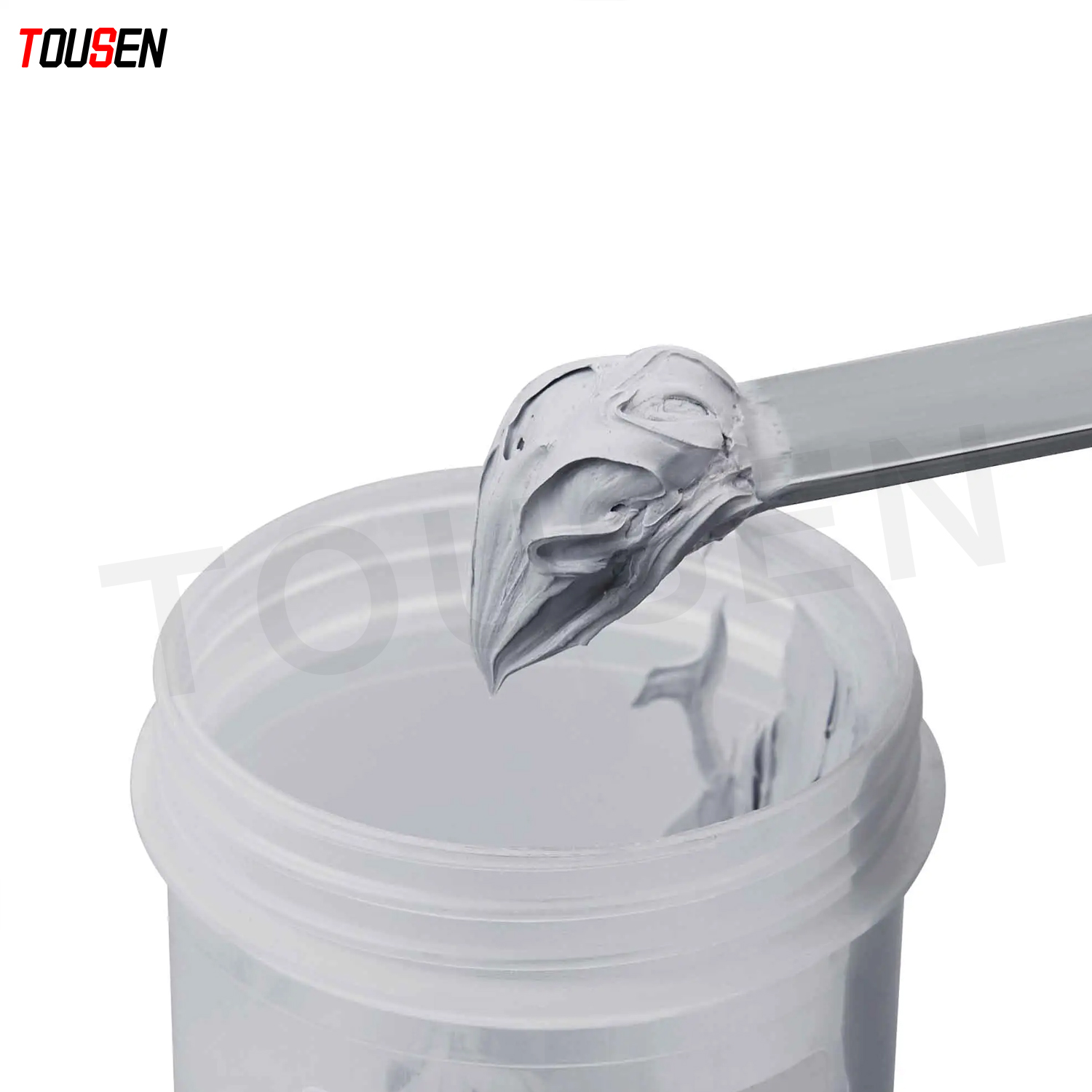
For example, ITousen’s high-performance thermal paste (view product) is engineered with a composite filler system to enhance thermal conductivity while optimizing flow characteristics.

Key advantages include:
- Efficient microgap filling for reduced thermal resistance
- Strong resistance to pump-out under thermal cycling
- Excellent long-term stability without drying or cracking
- Compatibility with automated dispensing and precision manufacturing processes
In engineering validation scenarios, such thermal paste solutions have demonstrated measurable reductions in peak chip temperature and improved thermal stability during sustained workloads.
Conclusion
From an engineering perspective, thermal paste is far more than a supplementary material—it is a foundational component of modern smartphone thermal management systems.
Its effectiveness determines whether heat can be efficiently transferred away from the SoC, directly impacting device performance, reliability, and user experience. As mobile hardware continues to advance, the role of thermal paste will remain critical, evolving toward higher conductivity, improved durability, and enhanced long-term performance.
For engineers and product designers, selecting the right thermal paste is not merely a material choice—it is a strategic decision that underpins the success of the entire thermal design.
Thermal Paste in Electric Vehicles Engineering and Thermal Management
Thermal Paste Optimization in Ice Cream Machine Performance
Related Article