Thermal Paste Solutions for Reliable Rail Transit Electronics Cooling
Thermal Paste in Rail Transit Electronics: An Engineering Perspective on Reliable Thermal Interface Solutions
As modern rail transit systems continue to evolve toward higher power density and greater electronic integration, thermal management has become a critical factor in ensuring long-term system reliability. From traction inverters and onboard power converters to signal control modules and communication units, a growing number of electronic subsystems must operate continuously under demanding environmental conditions.
Within the overall thermal design of these systems, the thermal interface between heat-generating components and cooling structures plays a decisive role. Even when high-performance heat sinks or cooling plates are used, microscopic surface irregularities can significantly reduce heat transfer efficiency. This is where thermal paste becomes an essential engineering material.
From an engineering standpoint, properly selected and applied thermal paste improves thermal conductivity across interface surfaces, reduces thermal resistance, and contributes to stable operation of power electronics used in rail transportation equipment.
Thermal Management Challenges in Rail Transit Systems
Rail transit electronics operate in environments that are significantly more demanding than typical consumer or office electronics. Equipment installed in locomotives, metro vehicles, or signaling cabinets must withstand long service cycles and harsh operational conditions.
Common environmental and operational challenges include:
- Wide operating temperature ranges
- Continuous vibration and mechanical stress
- Humidity and condensation
- High electrical loads during peak operation
- Limited internal cooling space
Many critical subsystems—such as traction converters, DC/DC power modules, onboard control units, and communication processors—generate substantial heat during operation. If this heat is not effectively transferred away from semiconductor devices, elevated junction temperatures may reduce performance and shorten component lifespan.
Thermal management therefore becomes a core aspect of system reliability engineering. One of the most practical and widely adopted solutions is the use of thermal paste as a thermal interface material (TIM) between heat sources and heat dissipation structures.
The Engineering Function of Thermal Paste
Even when metal surfaces appear smooth, microscopic examination reveals surface roughness and small air gaps. Air is an extremely poor thermal conductor, and these gaps can significantly increase thermal resistance between two contact surfaces.
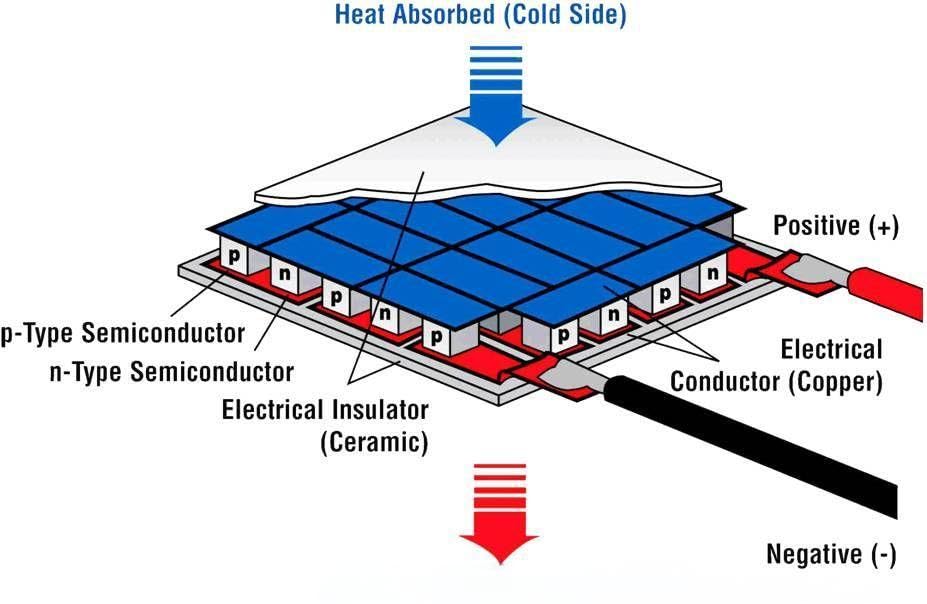
Thermal paste is specifically formulated to eliminate these air gaps by filling microscopic voids between electronic components and heat sinks. By replacing insulating air pockets with a thermally conductive medium, the material creates a continuous heat transfer path.
From a thermal engineering perspective, the primary functions of thermal paste include:
- Filling microscopic air gaps between contact surfaces
- Reducing interfacial thermal resistance
- Improving heat transfer efficiency
- Stabilizing thermal performance under varying loads
Most thermal paste formulations consist of a carrier compound—often silicone-based—combined with high thermal conductivity fillers such as aluminum oxide, ceramic particles, or metal powders. These fillers enhance heat transfer while maintaining the paste’s ability to conform to surface irregularities.
Typical Applications of Thermal Paste in Rail Transit Electronics
In rail transportation equipment, thermal paste is used in a variety of critical electronic assemblies. Engineers commonly apply the material in the following scenarios.
Traction Inverter Power Modules
Traction systems rely heavily on high-power semiconductor devices such as IGBT modules. These components generate significant heat during operation, especially under acceleration or high-load conditions.
Applying thermal paste between the module baseplate and the cooling plate helps ensure efficient heat transfer and prevents localized overheating.
Onboard Power Conversion Systems
DC/DC converters and auxiliary power units used in rail vehicles require reliable thermal dissipation to maintain stable voltage regulation. Thermal paste helps create an effective thermal interface between power semiconductors and cooling structures.
Signal and Communication Equipment
Rail signaling and onboard communication systems typically operate within enclosed cabinets where airflow may be limited. Processors, FPGAs, and power regulators benefit from improved thermal coupling achieved through the use of thermal paste.
High-Power LED Lighting Systems
Modern rail vehicles incorporate high-efficiency LED lighting for passenger cabins and external signaling. Thermal paste is commonly used between LED modules and aluminum heat sinks to maintain stable operating temperatures.
Key Performance Parameters When Selecting Thermal Paste
For engineers designing rail transit electronics, selecting the appropriate thermal paste requires careful consideration of several technical parameters.
Thermal Conductivity
Thermal conductivity determines how effectively heat can pass through the material. Higher values typically provide better performance in high-power applications.
Thermal Resistance
Low interface thermal resistance ensures efficient heat transfer between the heat source and the cooling surface.
Long-Term Stability
Rail transit equipment often operates for extended periods without maintenance. Thermal paste must resist drying, cracking, or pump-out effects caused by temperature cycling.
Environmental Durability
Materials used in transportation systems must maintain consistent performance under vibration, humidity, and mechanical stress.
Engineering Solution: High-Performance Thermal Paste for Industrial Electronics
In practical engineering projects, selecting a reliable thermal interface material can significantly improve thermal management performance without requiring major structural changes to the cooling system.
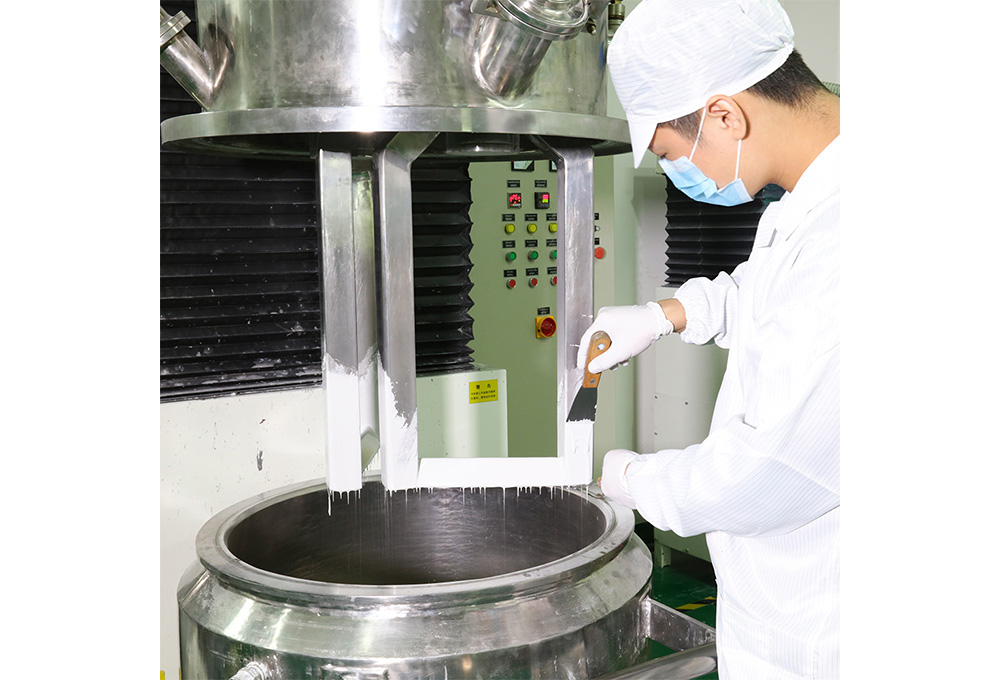
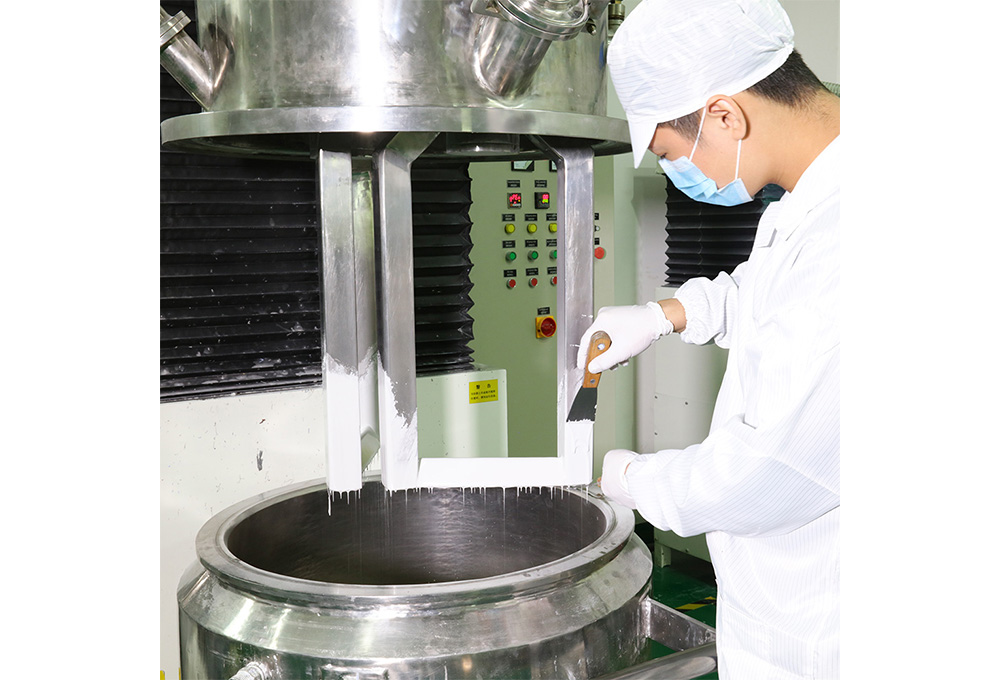
One example is the high-performance thermal paste solution developed by Itousen, designed for industrial and electronic thermal management applications.
Product reference:
High Performance Thermal Paste – Itousen

This type of thermal paste is engineered to support demanding electronic environments and offers several advantages relevant to rail transit systems, including:
- Enhanced thermal conductivity through optimized filler composition
- Excellent surface wetting for improved interface contact
- Stable thermal performance under continuous operation
- Mechanical reliability under vibration conditions
In practical applications, such thermal paste can be used for:
- IGBT module thermal interfaces
- Power converter heat dissipation
- Onboard control electronics
- High-power LED assemblies
By improving the thermal interface between electronic devices and heat sinks, the use of high-quality thermal paste contributes to enhanced equipment stability and longer operational lifespans.
Best Practices for Applying Thermal Paste
Proper application techniques are equally important in achieving optimal thermal performance. Engineers typically follow several best practices when installing thermal paste.
Apply a Thin, Uniform Layer
Thermal paste should only fill microscopic gaps rather than create a thick barrier. A thin, evenly distributed layer usually provides the best heat transfer performance.
Ensure Adequate Mounting Pressure
Appropriate mechanical pressure helps spread the thermal paste evenly and increases effective contact area.
Avoid Air Entrapment
Air bubbles within the interface layer can increase thermal resistance, so careful installation is essential.
Conclusion
As rail transit systems continue to integrate increasingly powerful electronic technologies, effective thermal management will remain a key factor in ensuring operational reliability and long service life.
Within the thermal design of electronic equipment, thermal paste serves as a critical thermal interface material that bridges the gap between heat-generating components and cooling structures. By reducing interface resistance and improving heat transfer efficiency, properly selected thermal paste supports stable performance in demanding transportation environments.
For engineers working in rail transit electronics, understanding the role and application of thermal paste is an important step toward optimizing system reliability and achieving efficient thermal design.
Thermal Paste Applications in Handheld Steam Iron Thermal Design
Thermal Past - Thermal Grease for Telecom Systems
Related Article