Thermal Paste vs Thermal Grease- Engineering Insights
Engineering Perspective: Thermal Paste vs. Thermal Grease vs. Thermal Grizzly in Modern Computing
In today’s high-performance computing environment, thermal management is no longer a secondary design consideration—it is a core engineering discipline. Whether designing gaming desktops, AI workstations, data center servers, or compact embedded systems, effective heat transfer directly impacts stability, efficiency, and component lifespan.
At the heart of thermal management lies the thermal interface material (TIM). Among the most commonly referenced solutions are thermal paste, thermal grease, and high-performance formulations often associated with brands like Thermal Grizzly. While these terms are sometimes used interchangeably in consumer discussions, from an engineering standpoint, their performance characteristics and application contexts deserve closer examination.
The Role of Thermal Paste in Heat Transfer Efficiency
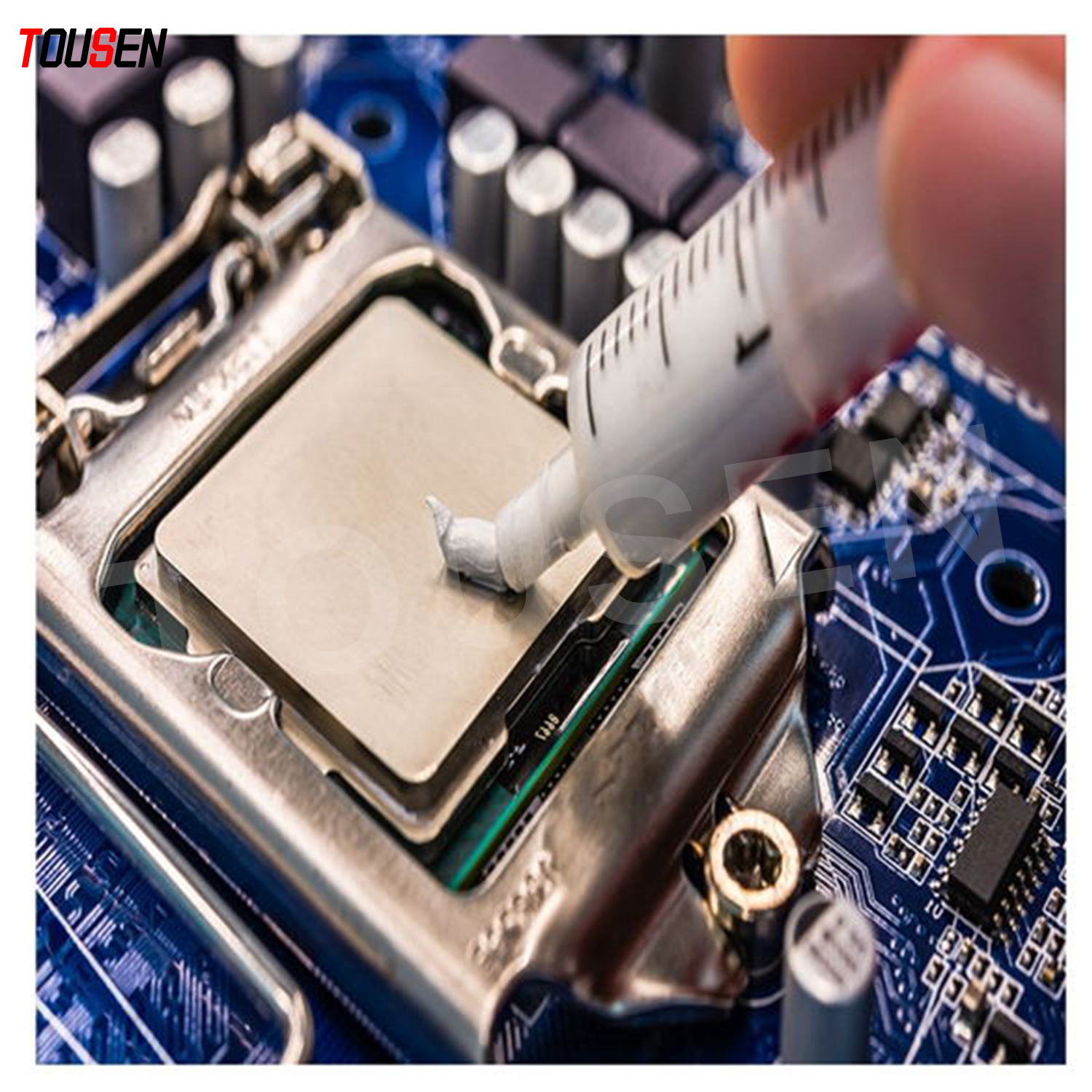
Thermal paste is designed to minimize thermal resistance between a heat-generating component—such as a CPU or GPU—and its heat sink. Even precision-machined metal surfaces exhibit microscopic surface irregularities. When two surfaces are pressed together, air pockets remain trapped between them, and air is a poor thermal conductor.
By applying high-quality thermal paste, these micro-voids are filled with thermally conductive compounds, significantly reducing interface thermal resistance. In controlled lab testing environments, premium thermal paste formulations can lower interface resistance by more than 20% compared to low-grade compounds.
For system integrators and hardware engineers, selecting the right thermal paste is not simply about conductivity ratings. Viscosity, spreadability, pump-out resistance, and long-term stability under thermal cycling are equally critical parameters.
Understanding Thermal Grease in Industrial Applications
The term thermal grease is often used interchangeably with thermal paste, but in technical contexts it typically refers to grease-based TIMs that use silicone or synthetic oil carriers combined with thermally conductive fillers.
Thermal grease is particularly valued in industrial and high-reliability environments due to its superior wetting properties and mechanical compliance. Under sustained mounting pressure, high-performance thermal grease maintains consistent surface contact, even through repeated thermal expansion and contraction cycles.
In long-duration stress tests simulating server-class workloads, premium thermal grease formulations demonstrate stable thermal resistance performance even after extended thermal cycling. This stability is essential in mission-critical systems where downtime is not an option.
Thermal Grizzly and the High-Performance Segment
Within enthusiast and high-performance computing communities, Thermal Grizzly has become synonymous with advanced thermal paste technology. Products associated with Thermal Grizzly typically feature optimized filler particle distribution and higher thermal conductivity ratings compared to conventional thermal grease products.
Independent benchmark testing frequently shows that premium solutions in the Thermal Grizzly class can reduce peak load temperatures by several degrees Celsius compared to entry-level thermal paste. While the absolute temperature delta may appear modest, even a 3–5°C reduction can materially improve boost stability, overclocking headroom, and silicon longevity.
However, from a professional engineering standpoint, brand recognition alone should not drive selection decisions. Instead, material consistency, supply chain reliability, and validated long-term performance data must guide procurement choices.
Engineering Criteria for Selecting Thermal Paste or Thermal Grease
When evaluating thermal paste, thermal grease, or high-end products comparable to Thermal Grizzly, engineers should assess:
- Thermal Conductivity (W/m·K) – Higher values indicate better heat transfer capability, but must be validated under real mounting conditions.
- Thermal Resistance Performance – Practical system-level measurements are more meaningful than theoretical conductivity alone.
- Long-Term Stability – Resistance to drying, pump-out, and separation under thermal cycling.
- Application Consistency – Spread behavior and thickness control influence repeatability in manufacturing environments.
- Compatibility – Chemical stability with copper, aluminum, and nickel-plated surfaces.
In mass production or OEM-level integration, repeatability and reliability often outweigh marginal conductivity gains advertised in consumer markets.
Recommended Solution: TSAD66-P Thermally Conductive Paste
For engineers seeking a balance of high thermal performance, mechanical stability, and manufacturing consistency, the TSAD66-P Thermally Conductive Paste represents a professionally validated solution.
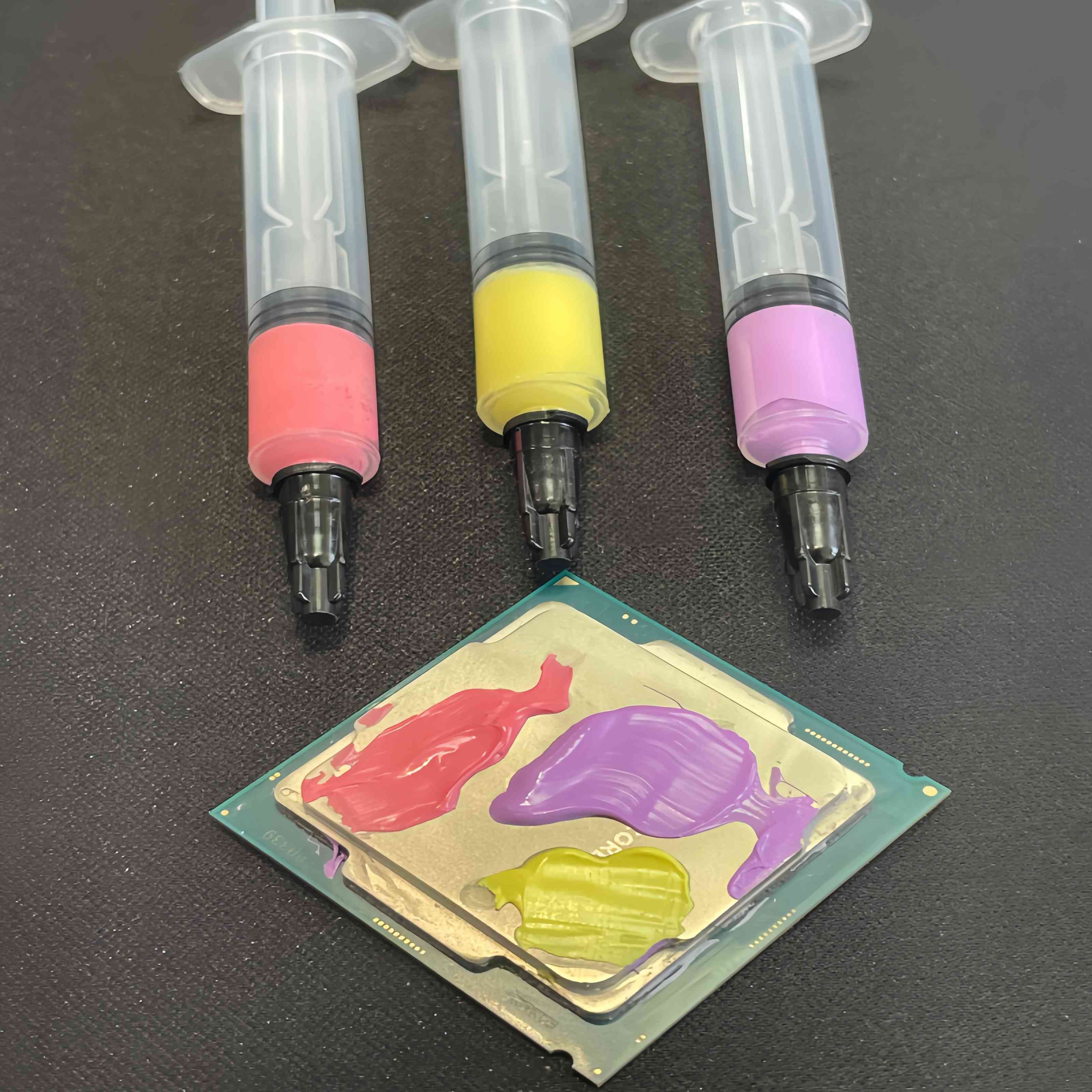
The TSAD66-P formulation is engineered to deliver:
- High thermal conductivity for efficient heat transfer across CPU and GPU interfaces
- Low interface thermal resistance under sustained mounting pressure
- Excellent wetting characteristics for improved surface conformity
- Long-term reliability under repeated thermal cycling conditions
- Compatibility with a wide range of semiconductor and heat sink materials
In internal validation scenarios comparing conventional thermal paste and high-grade thermal grease solutions, TSAD66-P consistently demonstrated stable thermal performance and mechanical integrity over extended operational cycles.
For U.S. system builders, OEM manufacturers, and hardware design engineers, selecting a thermally conductive paste is not merely a performance upgrade—it is a risk mitigation strategy that supports long-term operational reliability.
Conclusion: Thermal Interface Materials as a Critical Engineering Variable
Whether evaluating mainstream thermal paste, industrial-grade thermal grease, or enthusiast-tier products like Thermal Grizzly, the underlying objective remains consistent: minimize thermal resistance, ensure mechanical stability, and maintain predictable long-term performance.
Thermal interface materials are not interchangeable commodities. They are precision-engineered components within the broader thermal architecture of modern computing systems. Careful material selection directly contributes to improved thermal margins, enhanced system stability, and extended hardware lifespan.
To explore detailed specifications or request technical consultation regarding TSAD66-P thermally conductive paste solutions, visit www.itousen.com .
Thermal Paste for Servers-Engineering Cooling Guide
Colored Thermal Paste & Scented Thermal Grease | Thermal Paste Manufacturer
Related Article