High-Performance CPU Thermal Paste | TOUSEN OEM/ODM Solutions
CPU THERMAL PASTE: Application, Packaging Innovation & OEM/ODM Insights
Executive summary
Focus CPU THERMAL PASTE (also referred to as THERMAL GREASE FOR CPU) remains the essential thermal interface material in modern CPU cooling systems. This white paper examines market placement, packaging and automation challenges, OEM/ODM trends, product diversification, and key performance metrics — including thermal resistance testing conditions.
1. Core role of thermal paste in CPU cooling
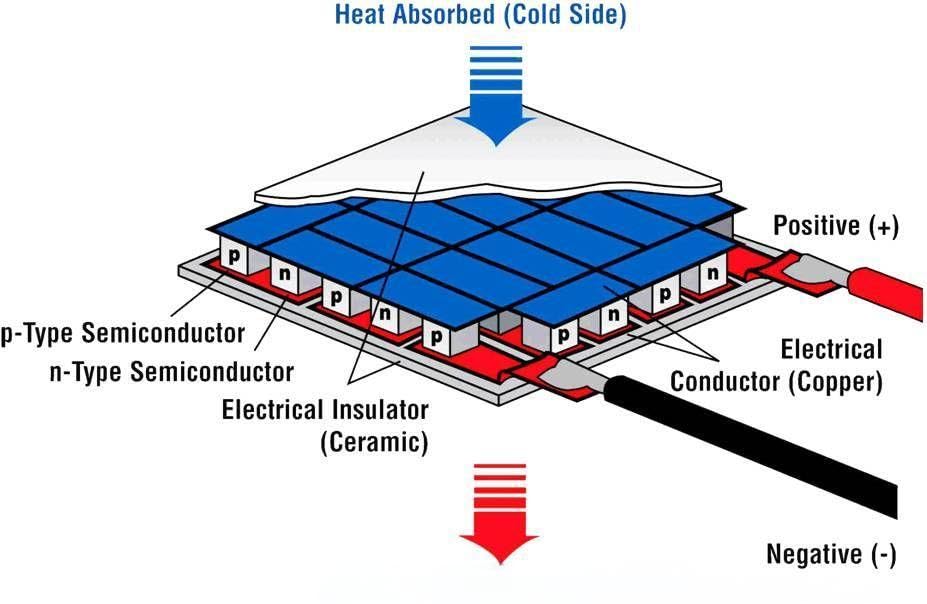
At the microscopic level, gaps between a CPU heat spreader and a heatsink contain air (thermal conductivity ≈ 0.024 W/m·K). CPU THERMAL PASTE fills those micro-voids, dramatically reducing contact thermal resistance and enabling effective heat transfer into the cooling solution (air or liquid).
Typical thermal path: CPU → THERMAL PASTE (TIM) → heatsink/cold plate → cooling media → ambient. The thermal paste's performance therefore directly influences junction temperature, throttling onset and long-term system stability.
2. Market structure: bundled supply + retail replacement
Thermal paste is standard in both OEM and aftermarket channels. Most CPU coolers and pre-built systems ship with a small syringe or pre-applied TIM. In parallel, the retail market for replacement paste is active — driven by DIY, overclocking, gaming, and server maintenance where periodic reapplication is routine.
To protect confidentiality and brand neutrality, references to competitive manufacturer names have been intentionally desensitized; the analysis focuses on technical and process-level trends.
3. Packaging challenges & Tousen automation solution
Because THERMAL GREASE FOR CPU is a high-viscosity paste, precise, fast and clean filling into small 1–4 g syringes represents a major production challenge. Small-volume packaging drives per-unit packaging cost and demands stringent contamination control. Automated labeling is effectively mandatory for high-volume, consistent output.
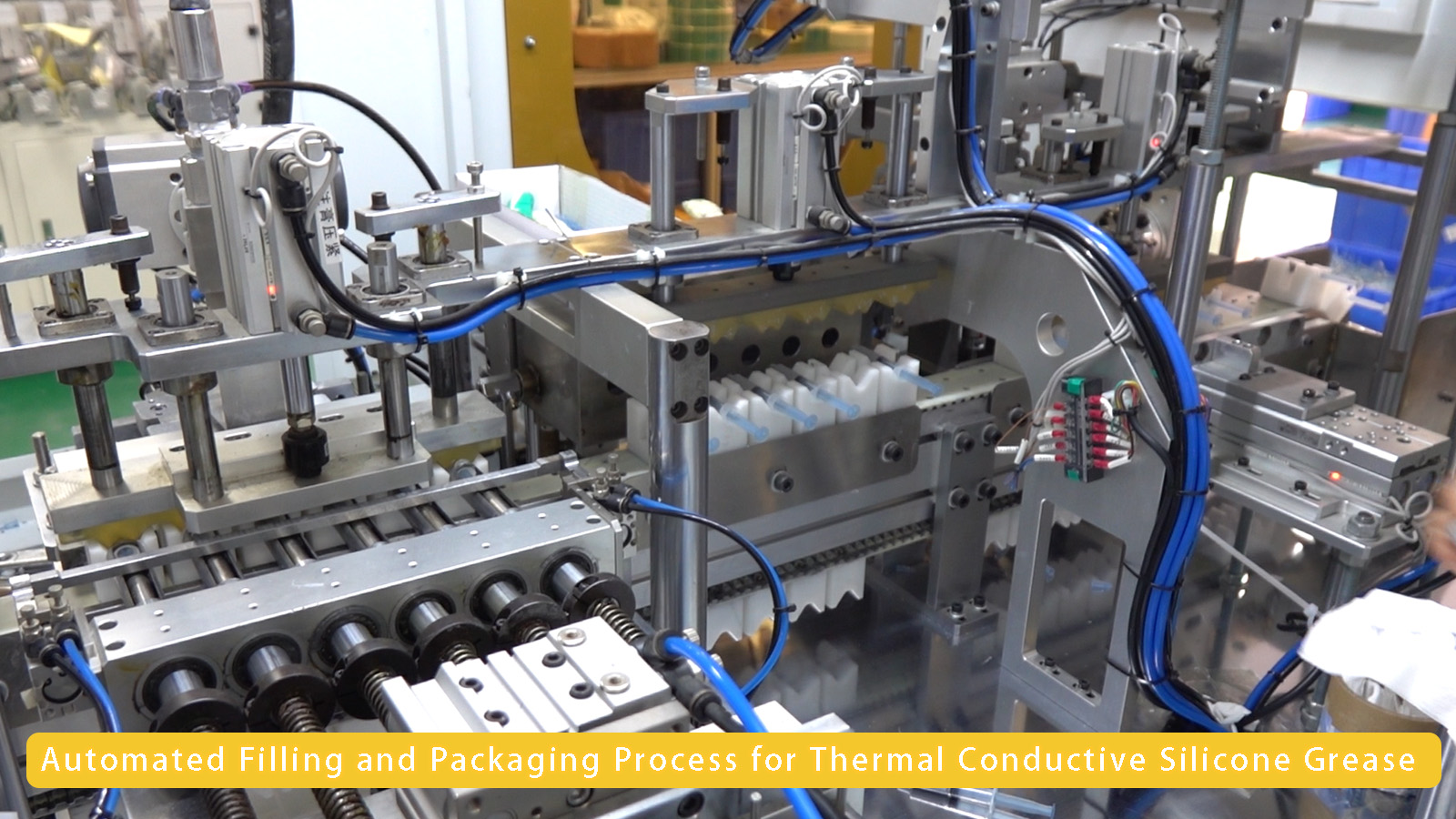

Responding to this, Tousen — in collaboration with automation equipment partners — developed an integrated automated filling, sealing and labeling line tailored for small syringe TIM packaging. The system reliably reaches up to 60 units per minute for filling + sealing + labeling, reducing labor, lowering per-unit packaging cost and improving line cleanliness and traceability.
Process demo: Automated 1–4 g syringe filling & labeling (video)
4. Product diversification — user experience & niche launches
Beyond raw thermal performance, manufacturers and OEM/ODM partners have explored user-focused differentiation. Tousen has supported niche projects such as fragranced thermal pastes (e.g., mild fruit scents) for targeted consumer lines. While niche, these products demonstrate that TIM can also be a vehicle for brand experience and differentiation in crowded retail channels.
5. Performance metrics & testing conditions
Key performance metrics for non-metal thermal pastes:
| Metric | Typical range / example |
|---|---|
| Thermal conductivity | ~3.0 – 7.0 W/m·K (non-metallic TIMs commonly peak ~6.5–7 W/m·K) |
| Thermal resistance (Rth) | Most products: 0.03 – 0.10 °C·cm²/W (measured at 60 Psi) |
| Tousen representative products | TSAD90 & TSAD100: Rth ≈ 0.03 °C·cm²/W; latest formula samples: ≈ 0.025 °C·cm²/W (selected customer supply) |


Testing condition (as requested): Thermal resistance values in this document use the unit °C·cm²/W and are measured at a contact pressure of 60 Psi unless otherwise noted. (When comparing data across suppliers, verify test thickness, methodology and sample prep—Rth depends on layer thickness and test protocol.)
6. OEM/ODM dynamics and opportunities
Market trends favour specialization: global brands increasingly rely on contract manufacturers for stable supply, formulation expertise and scalable packaging. THERMAL PASTE OEM/ODM partners that can supply consistent material properties, validated test reports (Rth at 60 Psi) and automated packaging at competitive cost are well-positioned.
Tousen’s combined capabilities — advanced formulation (low Rth products), automated syringe filling/labeling and flexible customization (colour, viscosity, niche consumer options) — make it an example of an integrated OEM/ODM solution provider for both mainstream and differentiated markets.
7. Conclusion
CPU THERMAL PASTE remains a small but strategically critical component in thermal systems. Performance (low Rth), repeatable manufacturing, and cost-effective small-syringe packaging are the levers that determine market success. For brand-owners seeking reliable supply, partnering with capable THERMAL PASTE OEM/ODM manufacturers that combine formulation expertise with automated packaging is increasingly the rational choice.
Advanced Two-Part Thermal Gel for High-Performance Thermal Management | TOUSEN
A Comprehensive Study on Thermal Interface Materials
Related Article