Phase Change Thermal Pads for High Performance Electronics

How Phase Change Thermal Pads Improve Thermal Management in High Power Electronics
As CPUs, GPUs, AI accelerators, power electronics, and high-speed communication systems continue to operate at higher power densities, thermal management has become a critical engineering challenge. Modern electronic assemblies often have limited space for heat dissipation, making the thermal interface between the heat source and heatsink just as important as the heatsink itself.
Traditional thermal pad materials remain widely used because they are easy to handle, available in controlled thicknesses, and suitable for applications with relatively large interface gaps. However, when the gap between a semiconductor package and heatsink becomes thinner and lower thermal resistance is required, conventional thermal pads may not provide the optimum balance between gap filling and interfacial thermal performance.
Thermal grease provides excellent surface wetting and can fill microscopic imperfections effectively, but production engineers must also manage dispensing volume, coating consistency, contamination, pump-out, and long-term stability. This is one reason why phase change thermal pad technology is receiving increasing attention in high-performance electronics.
What Is a Phase Change Thermal Pad?
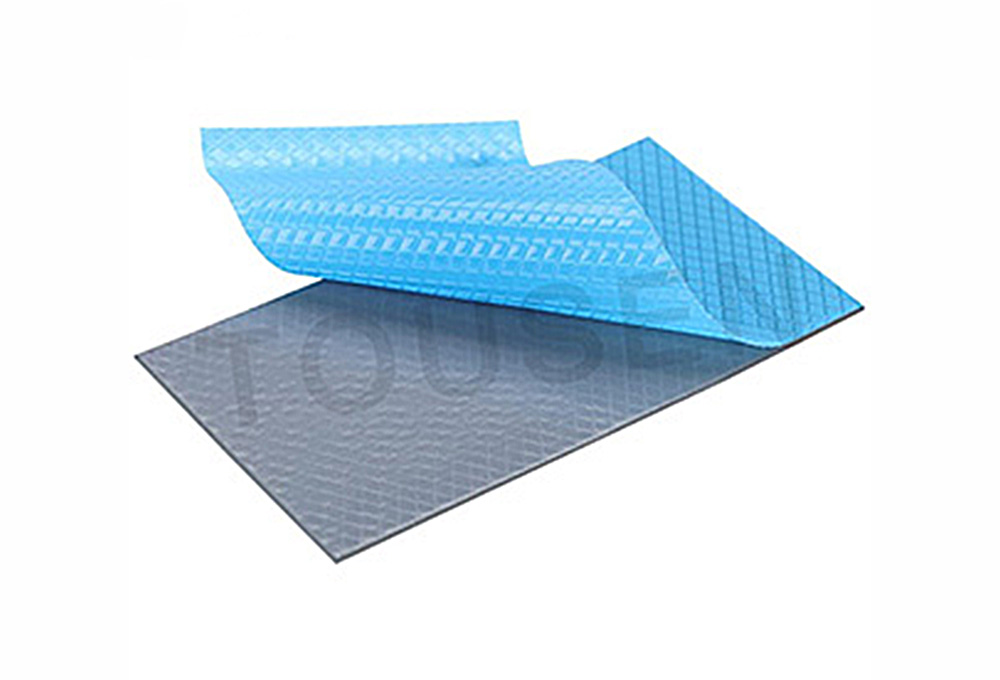
A phase change thermal pad is a thermal interface material designed to respond to operating temperature. At room temperature, the material remains substantially solid, allowing it to be handled, cut, positioned, and assembled much like a conventional thermal pad. When the temperature reaches its designed phase-change range, the material softens and conforms more effectively to the microscopic surface irregularities between the heat source and heatsink.
Even highly machined metal surfaces contain microscopic peaks and valleys. When two surfaces are assembled directly, air can remain trapped within these microscopic gaps. Because air has relatively poor thermal conductivity, these voids can significantly increase interfacial thermal resistance.
A conventional thermal pad addresses this problem primarily through its softness and compressibility. A phase change thermal pad adds another mechanism: thermal softening during operation. This allows the material to improve surface contact as the device reaches its normal operating temperature.
Phase Change Thermal Pad vs Conventional Thermal Pad
Conventional thermal pads continue to be an effective solution for many electronics applications, particularly where relatively large gaps must be filled or where mechanical compliance is important. However, for thin interfaces between a semiconductor device and heatsink, both material thickness and contact resistance become increasingly important.
One of the key advantages of a phase change thermal pad is its ability to conform more effectively to the microscopic surface structure once the material reaches its operating temperature. Improved contact can reduce air gaps and increase the effective contact area between the heat source and cooling component.
For high heat flux applications such as CPUs, GPUs, AI accelerators, and power modules, this interfacial behavior can be more meaningful than simply comparing the nominal thermal conductivity of different materials.
Another consideration is thickness. A conventional thermal pad may require a certain thickness to compensate for surface irregularities and assembly tolerances. Where the mechanical design permits a thinner interface, a phase change material can provide close surface conformity while maintaining a controlled, solid-state form during assembly.
Phase Change Thermal Pad vs Thermal Grease
Thermal grease has long been used because its flow characteristics allow it to fill microscopic surface imperfections effectively. However, manufacturing processes involving thermal grease require precise control of dispensing volume and application thickness. Excess material can create contamination concerns, while insufficient material may leave portions of the interface poorly wetted.
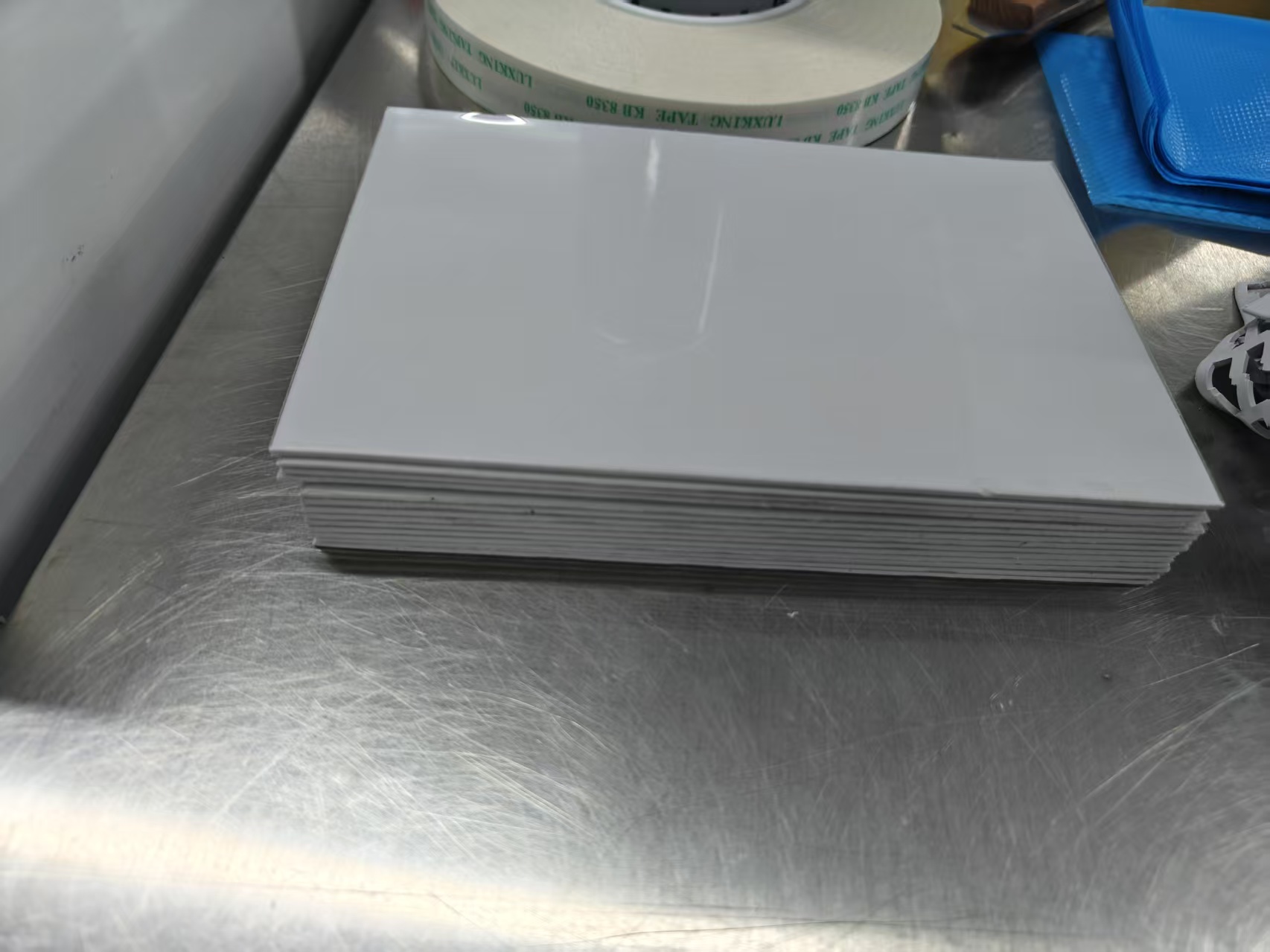
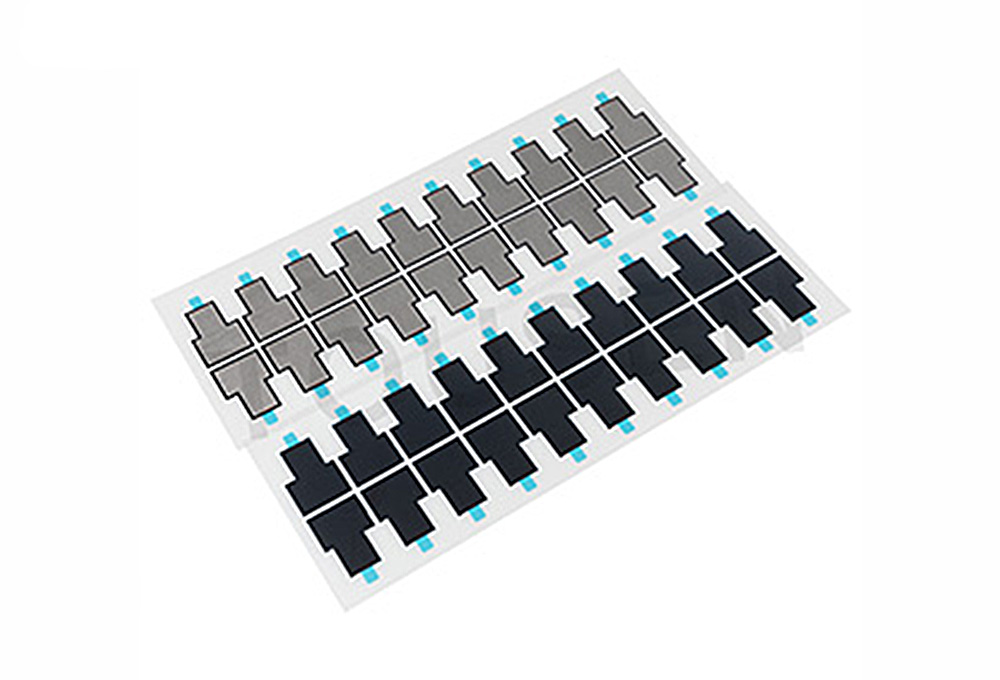
A phase change thermal pad offers a different manufacturing approach. In its solid state, the material can be supplied as sheets, rolls, or precision die-cut components. This makes it easier to control the material geometry and integrate the thermal interface into standardized assembly processes.
For high-volume manufacturing, this can help improve process consistency and reduce some of the handling challenges associated with liquid or paste-based thermal interface materials. Depending on the application and material formulation, phase change technology can also help address long-term concerns associated with pump-out or drying that may occur with certain thermal grease formulations.
TOUSEN PCM8500 Phase Change Thermal Interface Material
To address the requirements of high-power electronic cooling, TOUSEN offers the PCM8500 phase change thermal pad, designed for applications where low interfacial thermal resistance and consistent assembly are important.
According to the product specifications, PCM8500 provides a thermal conductivity of approximately 8.5 W/m·K, with a reported thermal resistance as low as 0.04 °C·cm²/W. Its phase-change temperature is approximately 45°C, allowing the material to soften during normal operating conditions and improve conformity between the heat source and heatsink.
PCM8500 is available in thicknesses including 0.2 mm, 0.25 mm, 0.3 mm, 0.4 mm, and 0.5 mm. Sheet, roll, and precision die-cut formats can be considered according to application requirements, providing flexibility for different mechanical designs and production processes.
Potential applications include CPUs, GPUs, AI servers, data center hardware, power modules, telecommunications equipment, and high-power LED systems.
Learn more about TOUSEN PCM8500 Phase Change Thermal Pad
Where Should Engineers Consider a Phase Change Thermal Pad?
Not every electronic assembly requires a phase change thermal pad. Material selection should be based on the actual thermal and mechanical requirements of the system, including heat generation, interface thickness, clamping pressure, surface roughness, operating temperature, assembly tolerances, and long-term reliability.
For applications involving relatively large mechanical gaps, a conventional thermal pad may remain the better choice because it provides reliable gap filling and mechanical compliance.
For CPUs, GPUs, AI servers, high-performance computing systems, and selected power electronics applications where the interface gap is relatively small and thermal resistance is a major concern, a phase change thermal pad can be a strong candidate for engineering evaluation.
It can also be considered by manufacturers currently using thermal grease but looking to simplify dispensing operations, improve material placement consistency, or reduce handling and contamination concerns during production.
Do Not Select a Thermal Interface Material Based Only on Thermal Conductivity
Thermal conductivity is an important specification, but it should not be used as the sole criterion when selecting a thermal pad or phase change thermal pad.
Actual system-level thermal performance depends on multiple factors, including material thickness, interfacial thermal resistance, surface flatness, mounting pressure, heat source temperature, heatsink design, and assembly conditions. A material with a higher nominal thermal conductivity does not automatically deliver lower overall thermal resistance in a finished assembly.
For this reason, engineers should validate candidate materials using actual hardware whenever possible. Thermal resistance, component temperature, thermal cycling performance, compression behavior, and long-term reliability should be evaluated under representative operating conditions.
For a phase change material such as PCM8500, engineers should also verify that the device operating temperature is appropriate for the material's designed phase-change behavior. The correct thickness should be selected based on the interface gap, compression characteristics, surface condition, and assembly tolerance.
Conclusion
As electronic systems continue to move toward higher power density, the thermal interface has become an increasingly important part of overall cooling performance. Conventional thermal pads remain valuable for gap filling and mechanical compliance, while thermal grease continues to provide excellent wetting performance for certain applications.
A phase change thermal pad offers another approach by combining solid-state handling during assembly with temperature-activated softening during operation. This can provide a useful balance between manufacturing convenience, interface conformity, and thermal performance.
TOUSEN PCM8500 offers approximately 8.5 W/m·K thermal conductivity, thermal resistance as low as 0.04 °C·cm²/W, and a phase-change temperature of approximately 45°C. With multiple thickness options and sheet, roll, and die-cut formats, PCM8500 can be evaluated for a range of high-performance electronic cooling applications.
Ultimately, the most appropriate thermal interface material should be selected through a combination of thermal analysis, mechanical design review, process requirements, and application-level testing. For manufacturers looking to improve an existing thermal pad solution or evaluate an alternative to thermal grease, a phase change thermal pad such as TOUSEN PCM8500 provides a practical option for further engineering validation.
Phase Change Thermal Pad for High Power Electronics
Related Article