AI Data Center Cooling with Graphene & Carbon Thermal Pads | TOUSEN®
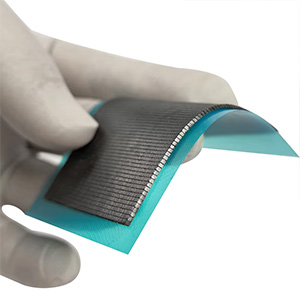
Application Trends of Thermal Interface Materials in AI Data Centers
TOUSEN® Technical White Paper — As AI computing density increases, optimizing thermal interface materials (TIMs) and cooling systems has become critical to improving efficiency, reducing operational costs, and extending equipment lifespan.
I. Technical Report: The Role of Thermal Materials in AI Data Centers
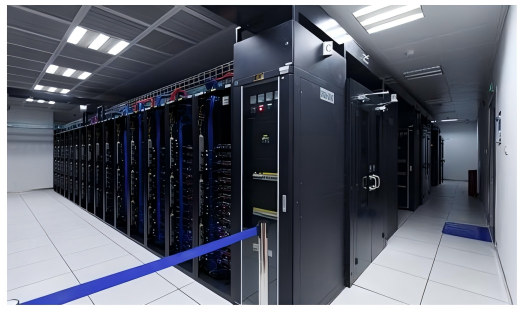
With the explosive growth of AI model sizes and computational workloads, modern data centers—especially those equipped with thousands of GPUs—face unprecedented thermal management challenges. The thermal design power (TDP) of a single accelerator has exceeded 1 kW, and the rack heat density far surpasses traditional server systems. According to TechXplore, cooling systems can account for nearly 40% of a data center’s total energy consumption.
Against this backdrop, the synergy between thermal interface materials (TIMs) and advanced cooling architectures has become a key pathway for enhancing energy efficiency, lowering operating costs, and improving long-term reliability.
1.1 Role of Thermal Interface Materials (TIM)
TIMs serve as critical thin-layer fillers between heat-generating components (such as GPUs and CPUs) and their cooling structures (heat sinks, cold plates, or liquid coolers). Their purpose is to eliminate microscopic air gaps—air being a poor heat conductor—and minimize interfacial thermal resistance, enabling efficient heat transfer.
In AI data centers, optimized TIM performance directly impacts not only chip temperatures but also the overall cooling efficiency and energy consumption of the system. Research from Carnegie Mellon University and UT Austin has shown that new-generation TIMs with ultra-low thermal resistance can significantly reduce GPU/CPU heat loads, helping cooling systems lower energy use. According to IDTechEx, the global TIM market for data centers and power electronics is expected to exceed $8 billion by 2034.
1.2 Thermal Management Challenges in Data Centers
- Increasing Power Density: Modern GPUs and ASICs exhibit rising heat flux per unit area, demanding faster heat transfer to cooling media.
- Cooling Energy Overhead: Cooling, ventilation, and auxiliary systems consume approximately 30–40% of total data center power.
- Thermal Path Constraints: The heat path “chip → TIM → cold plate → coolant” includes multiple resistance points; high TIM resistance limits overall system cooling performance.
- Reliability & Longevity: Continuous 24/7 operation demands materials with long-term stability under heat cycling, vibration, humidity, and chemical exposure.
Thus, selecting the right TIM and thermal materials requires careful evaluation of thermal conductivity, interfacial resistance, compressibility, lifetime, manufacturability, and cost.
1.3 Application Trends of Thermal Materials in AI Data Centers
- Ultra-Low Resistance TIMs: TOUSEN®’s graphene and carbon-fiber thermal pads demonstrate strong heat conduction and stability across -55 °C to +125 °C thermal cycles.
- Integration with Cooling Topologies: As direct-to-chip cold plates and immersion cooling gain popularity, TIMs become increasingly critical due to their proportion of overall heat resistance.
- Material Ecosystem Expansion: Beyond traditional thermal grease/paste, new materials—thermal gap pads, phase-change materials (PCM), graphene, aerogel insulation, and BN filler composites—are rapidly emerging. TOUSEN®’s BN-filled thermal pads have been validated by multiple OEMs in production lines.
- Manufacturing & Cost Factors: While some high-performance materials (e.g., liquid metal TIMs) offer superior conductivity, challenges in insulation, processing, and reliability still limit mass adoption.
1.4 Engineering Recommendations
- Prioritize Interface Resistance Reduction: Optimizing TIM before upgrading cooling hardware can achieve significant temperature and efficiency gains at lower cost. TOUSEN® invites engineering teams to collaborate on material matching and testing.
- Match the Cooling Topology: For direct or immersion cooling, choose thinner, higher-pressure, lower-resistance TIMs.
- Verify Lifetime and Failure Modes: Monitor TIM behavior under prolonged high temperature, vibration, and continuous load—especially regarding pump-out and shear effects.
- System-Level Perspective: Thermal materials are only one link; effective design requires integration with cold plates, liquid loops, airflow, and thermal monitoring systems.
II. Material Type × Comparison Table
The table below compares typical TIM and thermal/insulating materials used in high-power-density AI data centers.
| Material Type | Thermal Conductivity Range | Typical Interface Resistance | Advantages | Limitations | Typical Applications |
|---|---|---|---|---|---|
| Metal-Based TIM (e.g., Solder, Indium) | High (> 70 W/m·K) | Very Low | Lowest thermal resistance, ideal for ultra-high heat flux | High cost, complex process, electrical isolation needed | Extreme-power accelerators, advanced cooling designs |
| Filler-Enhanced Solid TIM (e.g., BN / AlN) | Medium–High (≈10–50 W/m·K) | Moderate–Low | Excellent reliability, manufacturable at scale | Moderate cost, requires good compression control | Mainstream GPU / ASIC cooling interfaces |
| Gap Pad / PCM (Phase-Change Material) | 1–15 W/m·K | Higher | Easy installation, adaptable thickness, no dispensing needed | Higher intrinsic resistance, thicker layers | Module spacing, cold plate interfaces |
| Graphite Sheet / Thermal Film | 100–1000 W/m·K (in-plane) | Low | Ultra-thin, excellent spreading and lightweight | Requires flat contact, higher cost & processing precision | Heat spreading layers, custom cooling modules |
| Aerogel Insulation Material | Very Low (< 0.03 W/m·K) | For insulation only | Superb thermal barrier, ideal for thermal runaway isolation | Not suitable for main heat path, thicker profile | Edge insulation, heat safety, containment zones |
*Values represent typical performance ranges; actual results depend on interface contact, thickness, pressure, and surface flatness.
Representative TOUSEN® Materials (TDS Available)
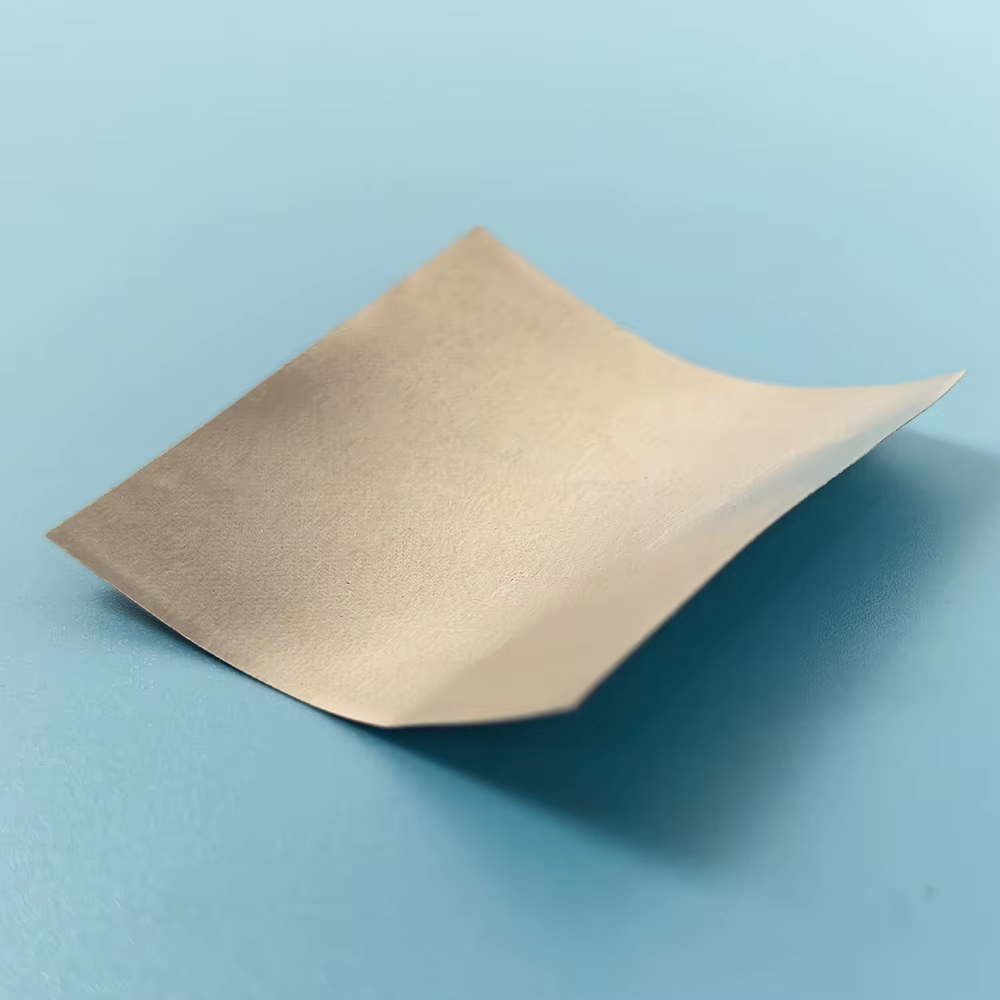

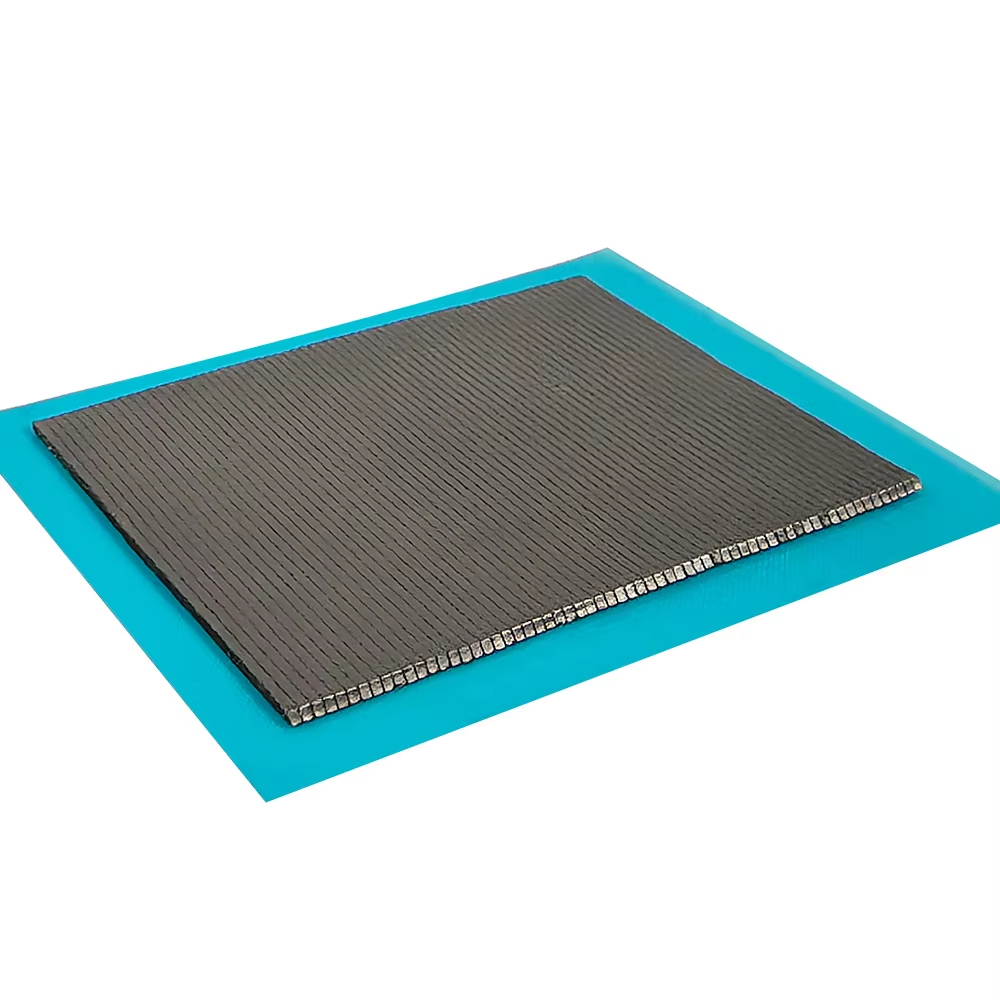
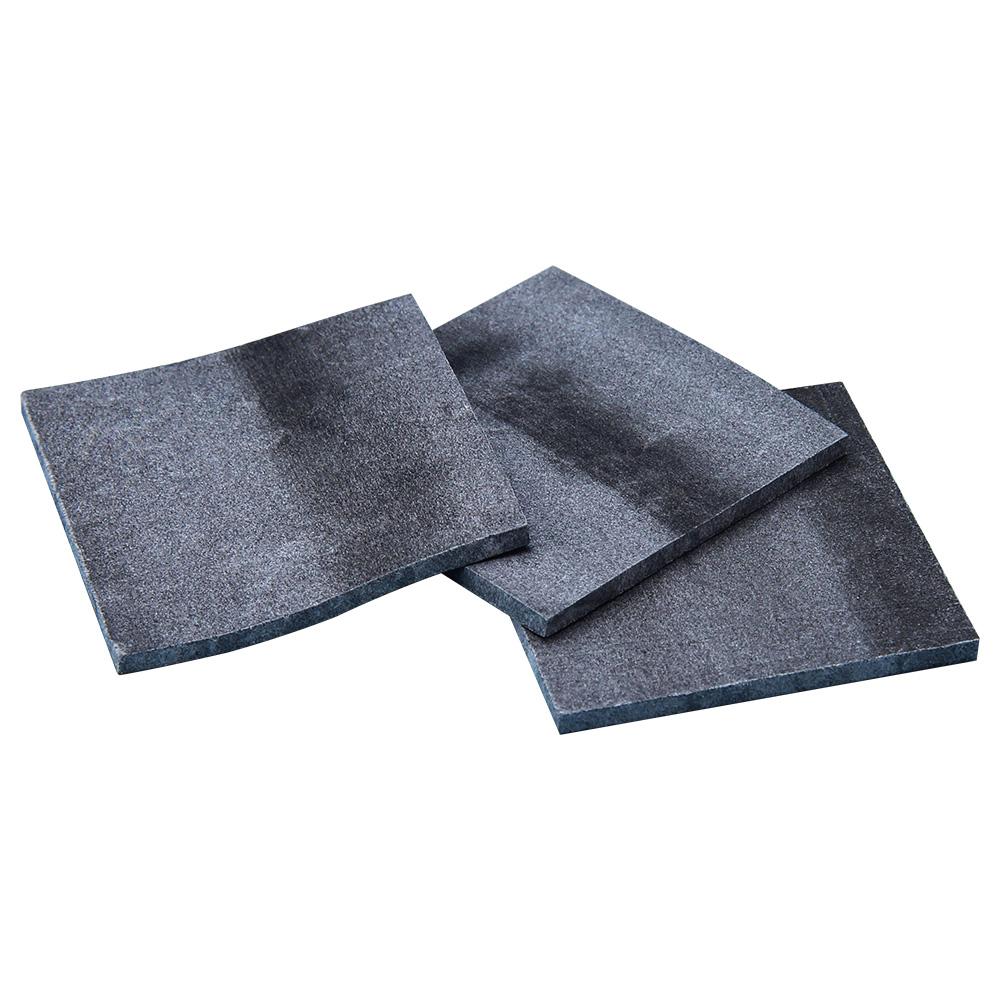
- High-Performance Graphene Thermal Pad GT-VGS Series
- CSF-45 Carbon Fiber Thermal Pad — 45 W/m·K, Soft Compressible TIM

III. Conclusion
- In AI data centers, TIM optimization has become essential—it directly impacts heat transfer efficiency, power consumption, and device reliability.
- Each material type presents trade-offs in conductivity, resistance, reliability, and manufacturability. High-flux paths favor high-conductivity TIMs, while isolation zones may use insulating or gap-filling materials.
- Material selection should be evaluated alongside cooling topology, lifecycle, cost, and process capability.
- Adopt a “Low-Resistance First + System-Level Integration” approach and collaborate with TOUSEN® R&D for optimal material pairing and validation.
© TOUSEN® Global Thermal Solutions — since 2005.
High Thermal Conductivity Insulation Sheet | Boron Nitride Pad
Comparative Analysis of Thermal Paste and Thermal Pad for CPU Cooling
Related Article